stay up to date
Protect Your Property With These Home Security Tips
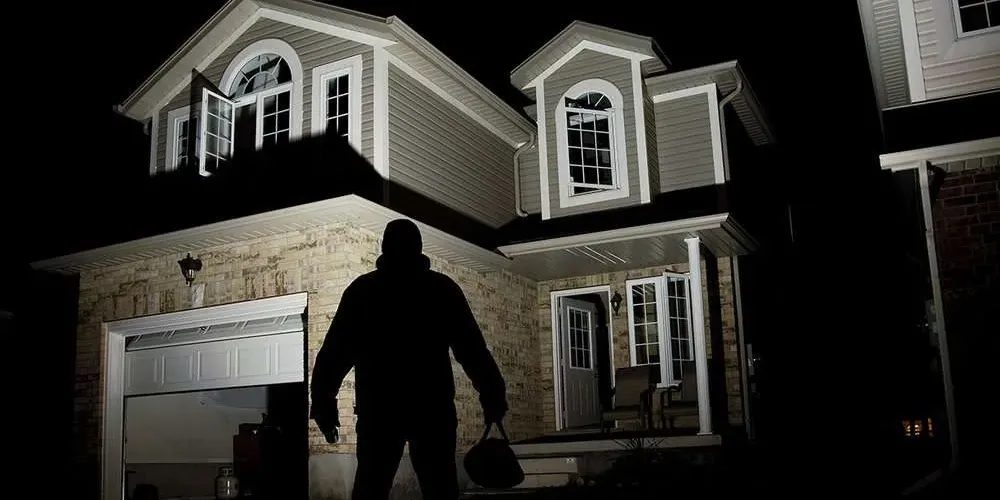
Good home security starts with everyday habits and practical measures that make unauthorised access more difficult. These tips cover securing your home, preparing for time away and responding if a break-in occurs.
Break-ins can happen during the day or at night. Check doors, windows and other access points, and make securing your home part of your routine whenever you leave.
Guard your home from the outside
Look around for places where thieves could gain access
Windows that can be pried open are an easy target for thieves. Balcony doors and windows should be locked each time you leave the house. Consider installing window locks or security screens in vulnerable areas.
Don’t leave items of value lying around the yard
Keep items such as bicycles, tools and gardening equipment out of view and locked away in the garage or shed. A ladder left outside may allow thieves to gain access to an upper level balcony or rooftop.
Don’t add to the temptation
Try to keep items inside the home like jewellery, money, wallets, handbags and car keys, out of view from the outside. Keep curtains or blinds closed where possible to add privacy. Bushes and trees that provide hiding places should be removed or kept trimmed to minimise cover.
Maintain adequate lighting
Use suitable outdoor lighting around entrances, paths and poorly lit areas. Motion-activated lights can improve visibility when someone approaches. Report faulty street lighting to the responsible provider and use a licensed electrician for electrical work where required.
Get to know your neighbours
Looking out for each other is one of the best steps towards reducing criminal activity in your area. Neighbours can often spot a stranger and raise the alert to suspicious activity. It’s helpful to keep each other informed about extended periods of absence, as well as who you expect to be visiting your home whilst you are away. Neighbours can also collect mail and clear out excess junk from the mailbox.
Secure your car
If you must park on the street, be sure to remove all items such as phones, wallets, dashcams, anything of value including items of clothing. Try to park in a well lit area and ensure all windows are closed and doors locked. Don’t leave anything in plain view and never store spare keys in the glove box, centre console or behind the sun visor. Remote control units that are used to open garage doors or disable security systems, should never be left in the car for obvious reasons.
Guard your home from the inside
Keep windows and doors locked at all times
Secure accessible doors and windows, including when you are at home. Consider suitable locks and professionally installed security screens. Make sure occupants can exit quickly in an emergency. Check that sliding doors and garage doors close and lock properly.
Secure valuables in a safe
If your safe is small or not securely mounted, it will need to be bolted to the floor to stop thieves from simply walking away with it. Only reveal the combination or pass code to someone you trust and never leave a written copy at home.
Don’t label your keys or hide spare keys outside
Avoid labelling keys with your address or hiding spares under mats, pots or other predictable places. Consider leaving a spare with someone you trust. If using a key safe, choose a suitable secure product and installation location.
Consider installing a home security system
A home security alarm system can detect configured events and activate sirens or notifications, depending on the equipment and setup. Security cameras can record footage that may assist with reviewing incidents. No system can guarantee that a break-in will be prevented.
Guard your home when you’re away
If you are heading away for a holiday or leaving for an extended period of time, it’s always comforting to know that your home is safe from criminals, at least as much as it can be, while you’re away.
Lock up before you leave
Allow time to check doors, windows, gates and the garage before leaving. Arm your alarm if fitted and check any remote viewing or notification features you rely on. Leave emergency contact details with a trusted person. Follow the manufacturer’s instructions for securing garage door equipment.
Make sure you are electronically secure
Lock computers, tablets and phones with strong, unique passwords or passcodes, and enable multi-factor authentication where available. Keep devices updated and store sensitive documents securely. A reputable password manager can help you manage account credentials.
Try to maintain the “occupied” look
Ask a trusted neighbour or family member to collect mail, bring in bins and check the property. Consider timers or appropriate smart lighting to maintain a normal routine. Arrange garden maintenance for longer absences and avoid leaving obvious signs that the property is unattended.
Don’t advertise your trip
Part of the enjoyment of any holiday is sharing your trip with family and friends. Thanks to social media, you can upload photos and details of places you visit instantly. Try and limit your audience to people you know and trust. If you have an answering machine, make sure the message doesn’t inform callers that you are out of town.
What to do after a break-in
Report it
If you suspect an intruder is inside, do not enter. Move to a safe place. Call 000 if a break-in is happening now, someone is in danger or urgent police assistance is needed. For non-urgent incidents, contact Policelink online or call 131 444. If you have a monitored alarm, contact your monitoring provider to confirm what action has been taken.
Secure the property
Once it is safe and police have provided any necessary directions, arrange repairs to damaged locks, doors or windows. Avoid disturbing potential evidence before police advise you. If you are away, ask a trusted person to help coordinate access and repairs.
You may still be at risk
Make a list of items you believe have been taken. If there’s any chance that credit cards or bank accounts could be exposed, you must immediately inform your financial institutions to ensure access to these accounts is restricted. If you have a CCTV or security camera system installed, make the footage available to police.
Contact your insurer about the incident and follow its claims process. Review any exposed keys, access codes or garage remotes and arrange replacements or changes where necessary.
Review how entry occurred and what improvements could help. Guarded Security can assess alarm and camera options suited to your property. Contact our team to discuss your needs and arrange a free onsite assessment.
Let's secure your property
Tell us what you need protected. We’ll help you choose the right alarm, CCTV or monitoring solution.